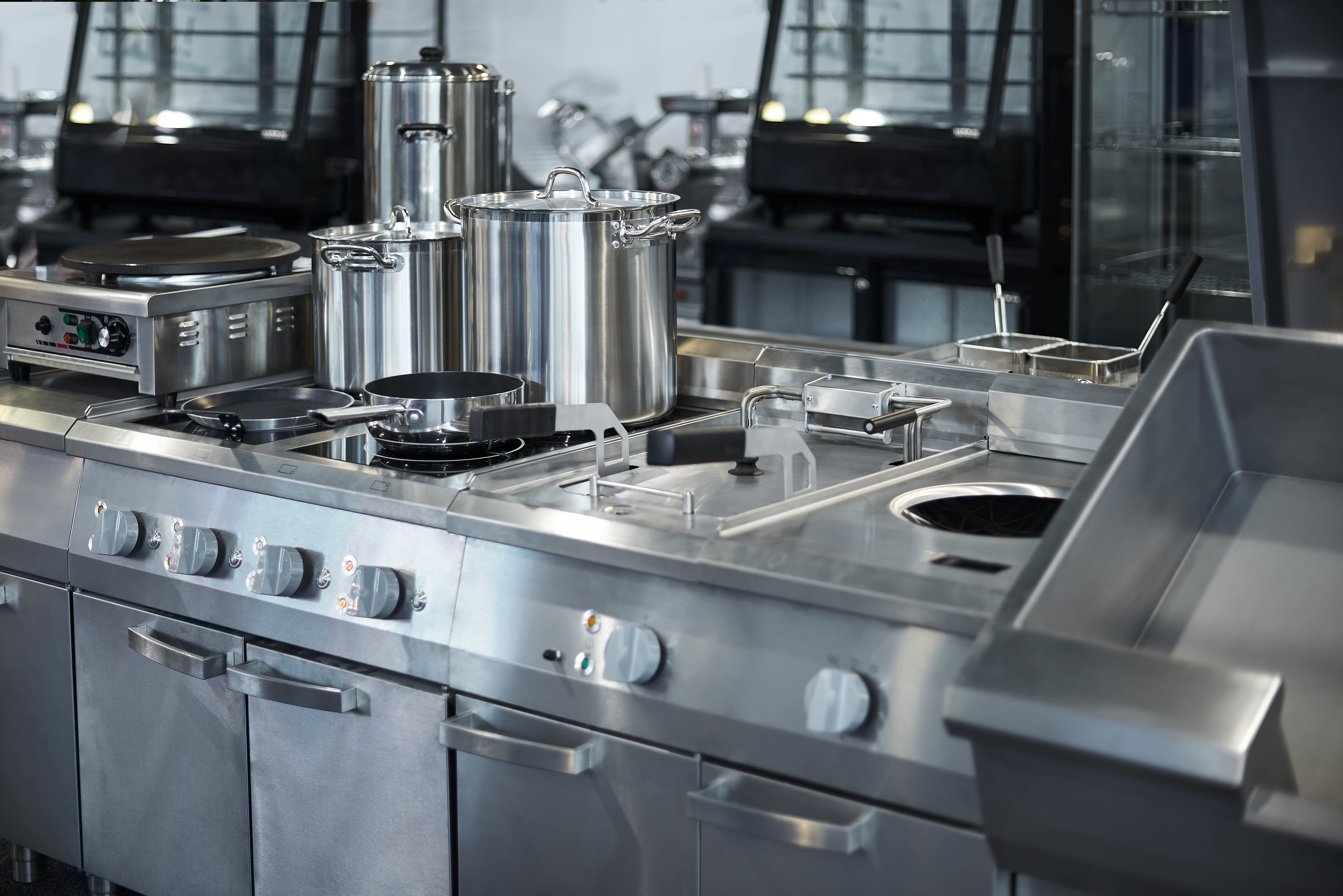
Walk into a commercial kitchen, open a refrigerator, use a reusable water bottle, or look at modern architectural finishes, and there is a good chance you are looking at 304 stainless steel. But with consumers paying closer attention to the materials used in the products they buy and the surfaces they eat from, one question continues to come up: Is 304 stainless steel actually food safe?
Read More
As material specifications continue to evolve in 2026 and beyond, 316 stainless steel remains one of the industry’s most dependable alloys when its strengths are fully understood and matched to the right application.
Read More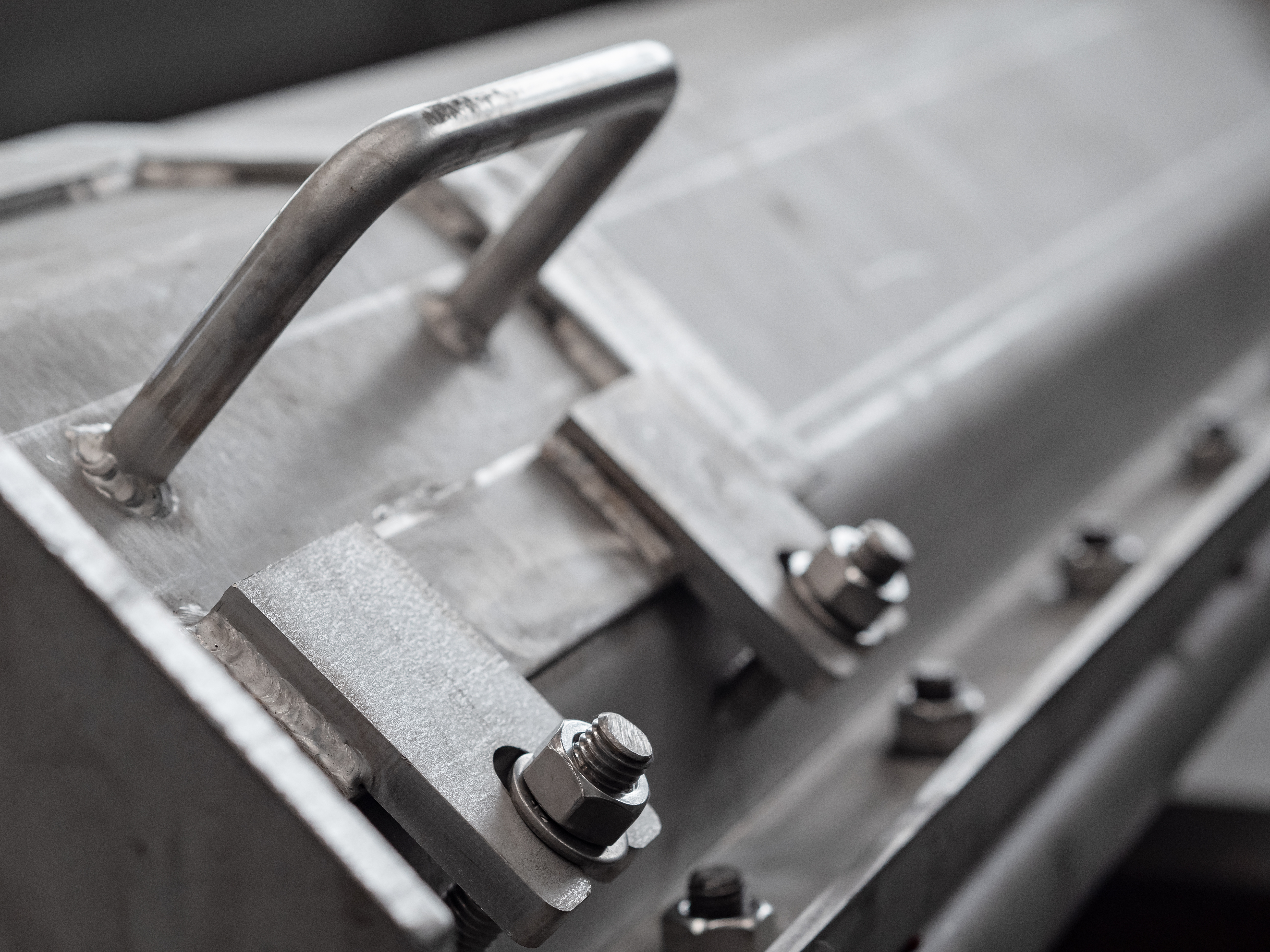
If you’ve ever wondered about the differences between 304L and 316L stainless steel, you’re not alone. These two austenitic stainless steel grades remain among the most widely used alloys across manufacturing, construction, marine, food processing, pharmaceutical, and chemical processing industries.
Read More
347 stainless steel is a modified version of 304 with the addition of Columbium and Tantalum – making it the ultimate choice for many jobs.
Read More